


Ultimately, the resurgence of retro aesthetics reflects more than nostalgic fashion; it signals renewed appreciation for design principles that value durability, repairability, and timeless appeal over disposable trends. Mid-century furniture endures because designers created pieces meant to outlast generations, not seasonal cycles. Therefore, this farmhouse dining table interpretation channels that enduring philosophy, offering Singapore homeowners a piece that remains visually relevant and emotionally grounding decades into the future ahead.


There exists a particular magic in gathering around a table crafted entirely from wood. Moreover, no cold metal touches your knees, and no industrial elements interrupt the organic flow of grain patterns cascading from surface to floor. Just pure, honest timber, warm beneath your palms, alive with a subtle forest fragrance. Connecting a modern Singapore home to centuries of woodworking tradition through a retro solid wood dining table design legacy.
In contrast, in an era where furniture increasingly relies on particleboard cores, plastic veneers, and metal frameworks. Choosing an all wood dining table signals a return to craftsmanship fundamentals. Consequently, every component of this wooden dining table Singapore favourite shares the same natural origin. From tabletop to legs and framework, creating visual harmony and tactile pleasure that transforms dining into an experience synthetic constructions rarely deliver with lasting warmth authenticity.

The All-Wood Difference: Why Material Purity Matters
Furniture shoppers encounter countless tables claiming solid wood construction; however, closer inspection often reveals metal legs, steel brackets, or iron frameworks hidden beneath wooden surfaces. While such hybrid designs serve practical purposes, they quietly sacrifice something essential: the cohesive warmth only complete timber construction delivers. Therefore, this natural wood dining table takes an uncompromising approach, utilising pinewood throughout to create furniture that feels genuinely connected to its forest origins heritage.
Visual Harmony from Top to Floor
When your eyes trace the lines of this solid wood table, they follow continuous grain from the tabletop edge down through the legs to the floor. Moreover, colour consistency achieved through staining creates a seamless visual flow, impossible when different materials meet. Interior designers recognise this harmony as essential to cohesive room aesthetics, as the table reads like a unified sculpture rather than assembled parts, anchoring dining spaces with presence.
Similarly, the retro design philosophy embraces material honesty as a lasting aesthetic virtue. Mid-century furniture makers understood that beautiful wood needs no disguise, no metal accents to appear complete. Consequently, their designs celebrated timber’s inherent elegance through simple forms that showcased grain character. This vintage inspired table honours that tradition, allowing pinewood’s natural beauty to command attention without competing elements diluting its impact within modern dining spaces today worldwide now.
Tactile Warmth Throughout
Touch matters more than many furniture buyers initially recognise. For instance, metal legs conduct temperature aggressively, feeling uncomfortably cold during air-conditioned Singapore afternoons and startling when brushed by bare feet or knees. Wood, however, maintains comfortable temperatures naturally, neither stealing warmth nor collecting condensation. As a result, children at this dining table Singapore centrepiece encounter only welcoming timber, avoiding the unpleasant surprises metal furniture often delivers daily.
Likewise, the acoustic properties of all wood construction further enhance dining experiences. Wooden legs absorb vibrations rather than transmitting sharp metallic sounds. Consequently, cutlery meets the surface with muted satisfaction instead of tinny resonance. Conversations flow more easily without subtle harshness metal frames introduce. Over time, these sensory details combine to create noticeably more pleasant mealtimes, even when diners cannot fully explain why everything feels calmer.
Embracing Retro: Vintage Style for Contemporary Spaces
Design Elements That Define the Style
Complementing Various Interior Styles
Despite its retro inspiration, this wood dining table integrates effortlessly with diverse interior approaches. For example, Scandinavian spaces welcome its natural materials and honest construction, while industrial lofts benefit from added warmth against concrete and metal.
Traditional interiors recognise its classic proportions, and even ultra modern settings gain grounding presence from organic authenticity. As a result, the neutral foundation adapts easily, accepting styling cues from surrounding elements with chameleon like versatility.
Additionally, the available stain colours further expand styling possibilities. Lighter finishes complement Scandinavian influenced interiors popular across Singapore homes today. Medium tones balance traditional and modern settings with ease, while darker stains introduce drama suited to formal dining or executive spaces. Consequently, this chromatic flexibility ensures suitable options regardless of existing palettes or future redecoration plans, allowing the table to evolve naturally alongside changing tastes over time.

Unmatched Size Selection: From Compact to Commanding
Compact Options: 1200mm and 1400mm Lengths
Importantly, our smallest configurations address a genuine market gap: quality solid wood tables sized appropriately for Singapore’s compact dwellings. The 1200mm x 600mm option creates a four seater dining table ideal for couples or small families in HDB flats where every centimetre matters. Rather than overwhelming limited dining zones, this carefully proportioned piece establishes a proper dining atmosphere while preserving openness and daily comfort.
Meanwhile, the 1400mm x 700mm variant extends capacity slightly while remaining apartment friendly. This size seats four adults comfortably for everyday meals and allows occasional expansion to five or six during gatherings. Consequently, young professionals furnishing first homes and retirees downsizing both find this option well aligned with real spatial needs, without sacrificing the authenticity and longevity of genuine solid wood furniture.
Popular Middle Ground: 1600mm to 2200mm
Grand Dimensions: 2400mm to 3000mm
Landed properties, penthouses, and commercial spaces demand furniture scaled to match their impressive proportions. Our 2400mm to 3000mm options provide the presence suited to grand dining rooms, restaurant installations, and corporate meeting areas. These ten-seater tables and larger configurations transform meals into memorable occasions and meetings into engaging events, offering ample surface area for conversation, dining, and the comfortable arrangement of materials without crowding or compromise.
The largest 3000mm x 1200mm configuration seats twelve comfortably, making it ideal for conference table use in professional environments that prioritise warmth over corporate sterility. The all-wood construction communicates approachability in a way metal-framed alternatives cannot, fostering meeting atmospheres that encourage open communication, collaboration, and problem-solving, rather than rigid hierarchical formality, blending practicality with a welcoming, human touch.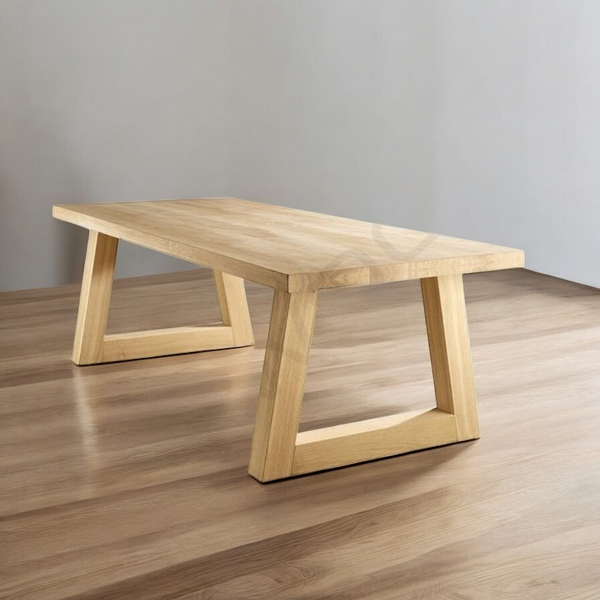
Complete Size Specifications
| CZ031AA5 | 1200 x 600 x 750mm | 50mm | 2-4 persons |
|
CZ031BA5
|
1400 x 700 x 750mm
|
50mm
|
4 persons
|
| CZ031DB5 / CZ031DB8 | 1600 x 800 x 750mm | 50mm / 80mm | 4-6 persons |
|
CZ031EC5 / CZ031EC8
|
1800 x 800 x 750mm
|
50mm / 80mm
|
4-6 persons
|
| CZ031FA5 / CZ031FA8 | 2000 x 800 x 750mm | 50mm / 80mm | 6-8 persons |
|
CZ031HB5 / CZ031HB8
|
2200 x 900 x 750mm
|
50mm / 80mm
|
6-8 persons
|
| CZ031IB5 / CZ031IB8 | 2400 x 1000 x 750mm | 50mm / 80mm | 8-10 persons |
|
CZ031JB5 / CZ031JB8
|
2600 x 1000 x 750mm
|
50mm / 80mm
|
8-10 persons
|
| CZ031KA5 / CZ031KA8 | 2800 x 1200 x 750mm | 50mm / 80mm | 10-12 persons |
|
CZ031LB5 / CZ031MA8
|
3000 x 1200 x 750mm
|
50mm / 80mm
|
10-12 persons
|
Lifestyle Applications: Where This Table Belongs
Scenario 1: The Multi-Generational Family Home
Scenario 2: Cafes, Bakeries, and Artisan Food Establishments
Specialty food businesses seeking to cultivate artisan atmospheres find natural alignment with all-wood furniture. Craft coffee roasters, sourdough bakeries, and farm-to-table restaurants convey authenticity through material choices that reinforce their values. In contrast, metal-framed furniture can undermine messaging about natural ingredients and traditional methods, whereas this wooden dining table strengthens brand narratives with consistent material integrity and a warm, approachable presence that resonates with customers.
The retro aesthetic further suits establishments embracing nostalgic positioning—recreating grandmother’s kitchen, evoking heritage hawker culture, or channeling European café traditions. Customers naturally linger longer at inviting wooden tables, boosting average order values and encouraging repeat visits. Additionally, the photogenic quality of genuine wood enhances social media appeal, as patrons share images that feature the table’s attractive craftsmanship alongside delicious food, extending brand visibility online.
Scenario 3: Photography Studios and Content Creation Spaces
Visual content creators increasingly recognise how prop quality elevates production value. Food photographers, lifestyle bloggers, and product marketers all benefit from surfaces that photograph beautifully without overshadowing featured subjects. This natural wood dining table delivers neutral warmth that complements virtually any scenario, from plated dishes to crafted products to portrait settings, enhancing visual appeal while maintaining subtlety and cohesion across diverse creative projects.
The absence of metal components removes unwanted reflections common with mixed-material furniture. Consequently, lighting setups yield consistent results across the uniform wooden surface. Additionally, different stain colours allow mood variation between shoots—lighter finishes suit bright, airy compositions, while darker tones support moody, sophisticated aesthetics. Studios using multiple tables can provide clients diverse visual options without compromising overall stylistic harmony or coherence.
Scenario 4: Airbnb and Short-Term Rental Properties
Scenario 5: Children's Study and Homework Station
Singapore’s academically intensive culture means children spend significant time on homework, revision, and enrichment activities. Parents seeking dedicated study furniture often overlook dining tables, yet appropriately sized configurations create excellent shared study environments. Siblings can work side by side with enough separation while remaining easily accessible for parental supervision and guidance, making mealtime furniture double as functional learning space without sacrificing comfort or practicality.
The all-wood construction is especially valuable for study purposes. Children focus better at tables with warm, pleasant surfaces compared with cold synthetic alternatives. Smooth finishes support comfortable writing and reduce interference from rough textures. Durable construction withstands pencil pressure, eraser friction, and occasional art supplies. Parents benefit from furniture that serves both academic and dining needs, maximising utility and efficiency within limited home footprints while maintaining long-term quality and style.
Scenario 6: Mahjong Nights and Game Gatherings
ingapore’s passionate mahjong culture calls for tables suited to long gaming sessions. The standard 750mm height aligns perfectly with mahjong tile handling ergonomics, while the solid wood surface delivers satisfying acoustics as tiles click against the tabletop—sounds that experienced players cherish. Size options around 1600mm and 1800mm create intimate gaming setups where four players gather comfortably, keeping tiles and accessories within easy reach for seamless gameplay.
Beyond mahjong, board game enthusiasts also benefit from wooden tables. The warm surface enhances the tactile enjoyment of handling quality game components, while slightly textured finishes prevent cards and tiles from sliding uncontrollably. Sturdy construction ensures stability even when players lean or reach during intense moments. Serious hobbyists appreciate that investing in high-quality furniture elevates the gaming experience, combining durability with comfort and functional elegance.
Scenario 7: Craft, Sewing, and Hobby Workspaces
Creative hobbyists need ample work surfaces that allow projects to spread out while remaining comfortable for long sessions. Quilters, model builders, scrapbookers, and other crafters benefit from the generous dimensions offered by this solid wood table configuration. Its smooth surface protects delicate materials from snagging while providing a stable foundation for precise work, supporting both efficiency and enjoyment during detailed tasks.
The all-wood warmth adds further value during extended crafting periods. Unlike cold metal or synthetic surfaces that can fatigue hands, wooden tabletops maintain comfortable temperatures that encourage focused, productive work. Natural light interacts beautifully with the wood grain, creating a pleasant environment that sustains creative energy. The table’s aesthetic appeal enhances the workspace, making hobby time feel special and inspiring rather than purely utilitarian.
Scenario 8: Book Clubs and Discussion Groups
Hosting intellectual gatherings benefits from furniture that fosters an atmosphere conducive to thoughtful conversation. This rustic dining table creates warm, intimate settings where book clubs, study groups, or discussion circles can engage meaningfully. Its natural wood construction conveys seriousness of purpose while remaining inviting, encouraging participation and sustained dialogue among attendees without creating a formal or intimidating environment.
Choosing the right size balances seating capacity with conversational intimacy. Tables that are too large create physical distance that hinders dialogue, while tables that are too small can cramp participants and limit space for reference materials. The extensive size range ensures suitable options for groups of all scales, from intimate four-person discussion circles to larger community gatherings, maintaining both comfort and functional accessibility.
Scenario 9: Wine Tasting and Gourmet Entertainment
Sophisticated entertaining requires furniture that enhances, rather than distracts from, carefully curated experiences. Wine tastings, cheese pairing evenings, and gourmet dinners gain elegance from genuine wood surfaces that complement quality food and beverage presentations. The natural grain patterns provide subtle visual interest without competing with plated cuisines or artfully arranged accompaniments, ensuring that the table supports the overall sensory experience while reinforcing an atmosphere of refinement and attention to detail.
The retro aesthetic evokes Old World wine region traditions, reminiscent of European farmhouse dining where generations gathered around substantial wooden tables to enjoy local vintages and regional specialties. Guests perceive thoughtful furniture selection as a reflection of hosting quality, setting positive expectations even before the first course is served. Investing in beautiful, durable furniture enhances entertaining experiences, leaving lasting impressions and elevating both the event and the host’s reputation.
Scenario 10: Boutique Hotels and Hospitality Suites
Distinctive accommodation properties stand out through careful attention to furnishing details that chain hotels often overlook. Boutique establishments curate experiences, and high-quality furniture plays a central role in shaping overall impressions. This solid wood meeting table is ideal for executive suites and premium room categories, providing surroundings that reflect the rates guests pay. Its warm wooden surface communicates quality without ostentation and sophistication without coldness, enhancing both comfort and perceived value.
In-room dining experiences are elevated when served on genuine wooden tables rather than generic hospitality furniture. Meals gain visual appeal, encouraging guests to photograph and share their experiences on social media. Over time, the marketing value of such photogenic rooms grows as user-generated content accumulates, attracting future guests who seek similarly curated and aesthetically pleasing accommodations, strengthening brand reputation and guest loyalty.

Craftsmanship Details: Understanding What You Purchase
New Zealand Pinewood: Source and Character
Every component of this table is crafted from New Zealand plantation pinewood, sourced from forests managed under strict environmental standards. These managed forests function as renewable resources, with replanting programs ensuring a continuous supply without depleting old-growth areas. Environmentally conscious buyers can enjoy authentic wood furniture with confidence, knowing their purchase supports sustainable forestry practices rather than contributing to deforestation or ecological harm.
New Zealand pine develops unique character thanks to the country’s temperate climate. Consistent growth patterns create relatively uniform grain while still showcasing natural variation, distinguishing genuine wood from manufactured alternatives. The timber machines easily, allowing precise joinery and uniform staining across surfaces. These workability traits ensure consistent quality across production runs, combining aesthetic appeal with reliable construction for long-lasting furniture.
Closed-Shape Leg Construction
The distinctive leg design features closed-shape geometry, maximising stability while highlighting woodworking precision. Unlike simple four-post arrangements, this structure distributes weight across multiple contact points, preventing the wobbling common in lesser tables. Its visual solidity conveys permanence, signalling furniture built to endure for generations rather than seasons, and reinforcing a sense of reliability and craftsmanship that elevates both aesthetic and functional appeal.
Joinery at the leg connections employs techniques designed for long-term integrity, even under stress at critical points. The wood-to-wood connections expand and contract naturally with seasonal humidity, maintaining tight fits where metal fasteners in hybrid designs might loosen over time. This all-wood approach to structural engineering reflects traditional furniture-making wisdom refined over centuries, combining durability with elegance in a timeless design.
Surface Finishing Excellence
The available smooth and rough surface options represent different finishing approaches rather than differences in quality. Smooth finishing involves progressively sanding the wood through finer grits, producing surfaces that feel refined and are easy to clean. This option is ideal for formal dining settings or applications requiring comfortable writing surfaces. The sealed finish resists moisture penetration while allowing the wood to breathe naturally, maintaining both appearance and durability over time.
Rough finishing preserves more of the wood’s natural texture, creating surfaces with depth and character that smooth finishes cannot replicate. This option appeals to those seeking authentic rusticity and forgiving surfaces that conceal minor wear marks. Despite the textured feel, rough-finished surfaces remain splinter-free and pleasant to touch, offering visual and tactile interest without compromising safety or comfort for everyday use.
Personalisation: Tailoring Your Table
Customer Reviews
Based on 1 review
Write a review